DV Capture
$25 per tape
- Native, bit-for-bit DV transfer
- Original interlacing and audio preserved
- One DV file per tape


Have home movies on MiniDV? We offers a bit for bit tape digitization service. Every service includes a native DV capture and the option to add deinterlacing and upscaling when you want a smoother, easier-to-watch copy.
The same MiniDV footage, shown as a conventional transfer and our deinterlaced and upscaled viewing copy. Drag the handle to compare motion and image detail.
Drag the centre handle to compare.
Prices are per tape up to 90 minutes (LP tapes).
$25 per tape
+$10 per tape
Bring your own USB drive or ask us about other delivery options.
Contact us to arrange a drop-off or direct handoff. We’ll confirm the tape count, condition, and any upgrade choices before processing.
We transfer the footage bit for bit in real time, and preserve the native DV file, original interlacing, and audio.
If selected, we process a second copy for smoother motion and easier modern playback. The original DV capture is included.
Pick up your MiniDV tapes, and a fully digital copy of the captured video.
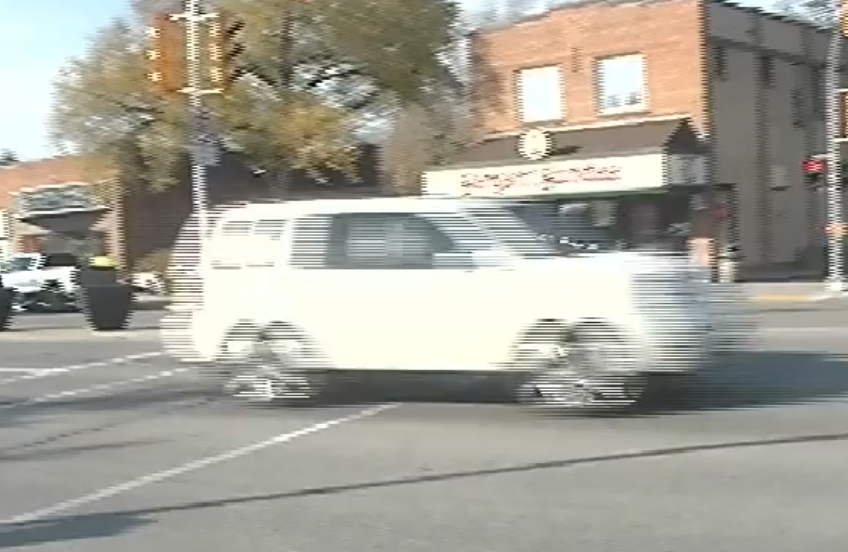
Interlaced source

Deinterlaced viewing copy
MiniDV commonly stores videos interlaced, where each frame
is stored as two fields captured at slightly different moments. On modern
displays, those fields can appear as combing or horizontal lines
during motion.
The process of deinterlacing turns those fields
into full frames, reducing combing and making motion look smoother and
cleaner on modern displays.
Upscaling places the processed video in a 720p frame for modern playback. It can improve compatibility and presentation, but cannot recreate detail that was not recorded on the tape.